

















 0
0
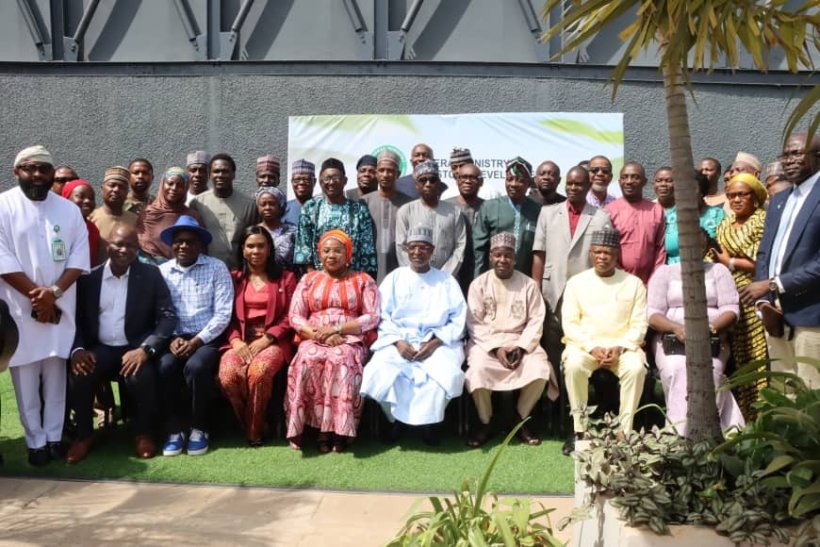
The Federal Government of has reaffirmed its commitment to transforming Nigeria’s livestock industry through the creation of a unified national data architecture designed to improve accountability, strengthen planning, and attract new investments. The declaration was made at a two-day workshop on strengthening national livestock sector accountability and alignment, which opened in Abuja on November 27, 2025.
Speaking at the event, the Ministry of Livestock Development emphasized that the absence of reliable national data continues to hinder policy design, investment attraction, and effective response to challenges such as disease outbreaks and low productivity. The ministry noted that Nigeria still lacks accurate figures for its national herd, slaughter rates, distribution of certified inseminators, and performance levels across producers.

To address this gap, the ministry announced that it is developing a Livestock Public Digital Infrastructure, expected to be launched early next year. The system will serve as the foundation of a new Monitoring and Evaluation framework aimed at improving sector wide decision making. The platform is also aligned with national priorities in food security, job creation, revenue growth, and production stability under the government’s development agenda.
The ministry further highlighted the upcoming National Livestock Census, which will adopt proven national survey strategies to ensure comprehensive and accurate data collection.
Participants at the workshop noted that although Nigeria hosts multiple livestock-related databases, these datasets remain isolated, leading to fragmented policymaking and weak investor confidence. The new system seeks to consolidate information from various platforms, harmonizing more than 400 indicators drawn from national strategies and performance boards.
The unified platform organizes these indicators into eight measurable sectoral goals and will support performance tracking from 2025 to 2035 as Nigeria works toward a projected $74 Billion GDP contribution from the livestock industry. Stakeholders at the meeting also stressed a shift from activity-based reporting to outcome focused evaluation.
The workshop brought together sector actors to refine baseline methodologies, validate indicators, assign institutional roles, and strengthen reporting systems for improved coordination across the livestock value chain.
November 28, 2025/Nigeria/ https://fmld.gov.ng/